Does Hair Need Protein? How to Tell Protein vs. Moisture


In this story ·
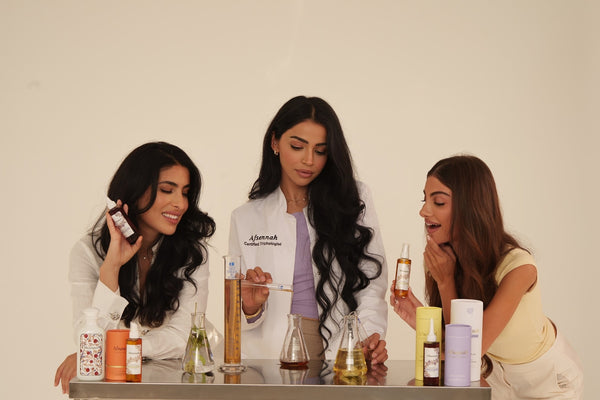
By Afsennah, Certified Advanced Trichologist · New version: November 20, 2026 · First published: January 10, 2025
Your hair feels mushy when it's wet. Or straw-like when it's dry. You've read "your hair needs protein" and "you have protein overload" in the same afternoon, and now you're standing in the shower holding two masks like it's a final exam.
Does hair need protein? Yes. But it needs the right amount, in the right place. Let's figure out what your hair is actually asking for.
Key Takeaways
- ✓Hair is mostly made of a protein called keratin.
- ✓Protein for hair comes from two places: your diet (for growth) and products (for the hair you already have).
- ✓Damaged, high-porosity hair often needs more protein support.
- ✓Too much protein can make hair stiff and brittle.
- ✓A simple stretch test helps you tell protein needs from moisture needs.
The short answer
Yes, hair needs protein. Hair is mostly made of keratin, a protein, so eating enough protein supports healthy growth. Protein products can temporarily strengthen damaged, overstretched hair. But too much protein makes hair stiff and brittle, so balance protein with moisture based on how your hair stretches.
Why Does Hair Need Protein?
Here's the tea: your hair strand is mostly protein. In my trichology training, I learned that hair contains around 80 to 95% protein, mainly keratin. That protein gives each strand its strength and its ability to stretch and bounce back.
Every time you bleach, color, straighten or use high heat, some of that structure gets damaged. The surface lifts, the strand gets more porous, and it loses strength. That's when hair starts to feel weak, gummy or overstretched.
Does Hair Need Protein to Grow?
Your hair grows from the follicle, deep in your scalp. To build new hair, your body needs protein from your food, not from your conditioner.
When someone doesn't get enough protein, hair can become finer and weaker, and shedding can increase all over the head. Adults generally need about 0.8 grams of protein per kilogram of body weight per day. Crash diets and very low-protein eating plans are a classic hidden culprit.
So: protein in your diet supports growth at the root. Protein in products supports the strand that's already grown. Two different jobs.
Read nextLiquid Hair Vitamins: Do They Work Better Than Pills? →
Does My Hair Need Protein or Moisture?
This is where your Hair Elasticity comes in, the same thing I ask about in my consultation. Try the stretch test:
- Take one shed hair (or a hair from your brush) while it's slightly wet.
- Hold both ends and gently stretch it.
- Watch what happens.
- Low elasticity (breaks quickly): your hair snaps with barely any stretch. It often feels dry and stiff. It usually needs moisture, and possibly less protein.
- Medium elasticity (stretches and returns): this is good. Your balance is on track.
- High elasticity (keeps stretching): your hair stretches like a rubber band that doesn't come back, and feels mushy when wet. It usually needs protein.
Your Hair Porosity adds another clue. High porosity hair (dries in 0 to 4 hours) is often damaged and tends to love protein support. Low porosity hair (more than 8 hours) can feel coated by heavy protein products.
Read nextWhat's My Hair Type? How to Find Your Hair Type and Texture (Without Guessing) →
What Is Protein Overload?
Plot twist: you can have too much of a good thing. Protein overload happens when your hair gets more protein than it needs, without enough moisture to balance it.
Signs to look for:
- Hair feels stiff, rough or straw-like.
- It snaps easily instead of stretching.
- It looks dull and feels dry, even after conditioning.
- More little broken pieces on your towel or brush.
The good news? It's on the outside of the strand, so it's very fixable.
Trichologist tip
"Protein or moisture?" is one of the first questions I answer when I read a consultation. That's why I ask about Hair Elasticity and Hair Porosity before I select a formula. A protein-heavy routine can be exactly right for one person and exactly wrong for her sister. The cause decides the treatment, even on your lengths.
How to Balance Protein and Moisture
1Find Out What Your Hair Needs First
Do the stretch test and check your porosity. Don't buy another mask until you know which side you're on.
2Strengthen Damaged, Overstretched Hair
If your hair is high elasticity and high porosity, give your lengths strengthening care. My Custom Hair Care Treatment is a pre-wash treatment for your lengths that strengthens weak strands and helps prevent breakage. Apply it to your lengths and ends at least 4 hours before washing, or overnight.

Afsennah pick
Custom Hair Care Treatment
Pre-wash treatment for dry, damaged or breaking lengths, blended to your consultation.
Shop now3Fix Overload With a Reset
If your hair feels stiff and snaps, pause protein-heavy products for about a month. Wash with a gentle Custom Shampoo: put some in your hand with a little water and emulsify it, so it spreads better on your scalp while you massage it in. Then focus on moisture.

Afsennah pick
Custom Shampoo
Made for your scalp type. Free from sulfates, parabens, silicones and alcohols.
Shop now4Condition Every Wash
Follow with the Custom Conditioner on your mid-lengths and ends. It brings back softness and slip, which is exactly what stiff, overloaded hair is missing.

5Seal Your Ends Daily
A few drops of Custom Hair Elixir on your ends keeps them smooth and helps protect them from friction between washes.
6Be Gentle While Your Hair Recovers
Weak hair breaks easily. Swap tight elastics for Silk Scrunchies, use heat less often, and pat your hair dry instead of rubbing.

7Eat Enough Protein
Your future hair is being built right now, at the root. Make sure every meal has a protein source, like eggs, fish, meat, beans, lentils or dairy.
When to See a Doctor
If you're shedding more hair from the root (with a little white bulb at the end), not just breaking it, protein products won't fix that. See a doctor for a blood test, especially if you've changed your diet, lost weight quickly, or feel tired a lot.
The Best Afsennah Products for Protein and Moisture Balance
Custom Hair Care Treatment
Strengthens weak strands and helps prevent breakage, blended to your hair from your consultation.
Shop nowCustom Conditioner
Brings back moisture, softness and slip, free from sulfates, parabens, silicones and alcohols.
Shop now

Frequently Asked Questions
Does hair need protein or moisture?
Both, in balance. Hair that keeps stretching and feels mushy usually needs protein. Hair that snaps quickly and feels stiff usually needs moisture.
Does hair need protein to grow?
Yes, but from your diet. Your body builds new hair from the protein you eat. Protein products only work on the hair that's already grown.
How often should I use a protein treatment?
It depends on how damaged your hair is. Damaged, high-porosity hair may like it more often. If your hair turns stiff or brittle, take a break.
Can protein overload cause hair loss?
It can cause breakage, which looks like hair loss in your brush. True shedding from the root has other causes, so check for the white bulb.
“The cause decides the treatment.”
Afsennah, Certified Advanced Trichologist
The Takeaway
Your hair needs protein, but only as much as it can use. Stretch test first, then choose your care.
Want a formula made for your Hair Elasticity and Porosity? Order your Custom Hair Care Treatment, fill in your consultation, and I'll select your formula. It comes with my 180-day guarantee.
Lots of love,
Afsennah
And don't forget to follow me for more hair tips
More From Afsennah
About the author
Afsennah, Certified Advanced Trichologist
Afsennah is a Certified Advanced Trichologist and the founder of Afsennah, a custom haircare brand. After dealing with androgenetic alopecia, alopecia areata and scalp eczema from a young age, she began studying the scalp and ingredients to understand her own hair. Read her story.
This article is for general education and does not replace medical advice.