Itchy Scalp: Causes, Quick Checks and When to See a Dermatologist
In this story ·
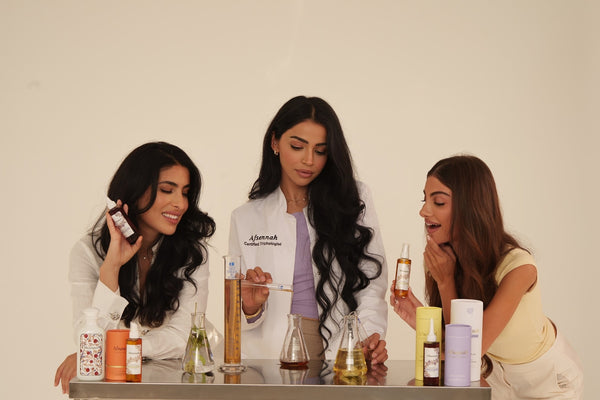
By Afsennah, Certified Advanced Trichologist · New version: November 18, 2026 · First published: January 10, 2025
You're in a meeting, on a date or in line at the store, and suddenly your scalp is screaming. You try the subtle head scratch. Then the not-so-subtle one. Then you start wondering if everyone saw.
An itchy scalp is one of the most common things people ask me about, and the itch is never the whole story. Let's look at the real itchy scalp causes, how to spot yours and when it's time to hand the case to a dermatologist.
Key Takeaways
- ✓An itchy scalp is a symptom. The cause decides the treatment.
- ✓The most common causes are dryness, product buildup, dandruff and seborrheic dermatitis.
- ✓Psoriasis, eczema, allergies to products and lice can also cause itching.
- ✓Scratching makes it worse and can damage your scalp and hair.
- ✓Red, scaly, painful or bleeding skin, or itching with hair loss, needs a doctor.
The short answer
The most common itchy scalp causes are a dry scalp, product buildup, dandruff, seborrheic dermatitis and a reaction to a hair product. Psoriasis, eczema and lice can cause it too. Mild itching often calms down with the right shampoo and scalp care, but itching with redness, thick scales, pain or hair loss should be checked by a dermatologist.
Why Is My Scalp So Itchy? The Most Common Causes
Dry scalp
A dry scalp feels tight and itchy, especially after washing or in winter. The flakes are small, white and dry. Hot water, harsh shampoos and air conditioning are the usual suspects.
Product buildup
Dry shampoo, styling products, heavy conditioner near the roots or shampoo that isn't rinsed out properly can sit on your scalp and irritate it. Plot twist: this is one of the most common itchy scalp causes with no dandruff at all.
Dandruff
Dandruff means bigger, oilier, yellowish or white flakes, often with itching. It's linked to a yeast that lives on everyone's scalp and an oily scalp that reacts to it.
Seborrheic dermatitis
Think of it as dandruff's stronger sibling. Greasy, yellow scales, redness and itching, sometimes also on the eyebrows, sides of the nose or behind the ears.
A reaction to a product
New shampoo, hair dye or fragrance and your scalp suddenly itches, burns or turns red? That can be irritation or an allergy to an ingredient. Hair dye is a well-known trigger.
Scalp psoriasis
Thick, silvery scales on red patches, often at the hairline or behind the ears. Psoriasis is an immune condition and needs a doctor.
Scalp eczema
Dry, red, very itchy patches that can crack or weep. Often in people with eczema elsewhere, asthma or hay fever.
Lice
Especially in children. Intense itching, often behind the ears and at the back of the neck, with tiny eggs stuck to the hair close to the scalp.

Trichologist tip
I've had scalp eczema since I was young, together with androgenetic alopecia and alopecia areata. So I know the itch that wakes you up at night, and how tempting it is to scratch until it stings. What helped me most was finding out what my scalp actually had, instead of trying every anti-itch product on the shelf. That's exactly why my consultation asks for your scalp type (condition) before anything else.
Read nextShampoo for Alopecia Areata: What to Look For (and What to Skip) →
How to Tell Which Cause Is Yours
| What you notice | Likely suspect |
|---|---|
| Tight scalp, tiny dry white flakes, worse after washing | Dry scalp |
| Itch with no flakes, worse after styling products | Product buildup |
| Bigger oily or yellowish flakes, oily roots | Dandruff |
| Greasy yellow scales, redness, also on face or ears | Seborrheic dermatitis |
| Started after a new product or hair dye | Irritation or allergy |
| Thick silvery scales on red patches | Psoriasis |
| Red, cracked or weeping patches | Eczema |
| Tiny eggs on the hair near the scalp | Lice |
This table gives you clues, not a diagnosis. If you see redness, scales or patches, let a dermatologist confirm what it is.
How to Calm an Itchy Scalp
1Stop Scratching (Seriously)
Scratching feels amazing for three seconds and then makes the itch worse. It can break the skin, invite infection and even damage hairs. Press or tap instead, and keep your nails short.
2Use a Shampoo Made for Your Scalp Type
An itchy scalp needs a gentle formula that fits the cause. A dry scalp and an oily, flaky scalp need very different ingredients. A Custom Shampoo is sulfate-free and made for your scalp type (condition). Put some in your hand with a little water and emulsify it, so it spreads better on your scalp while you massage it in. Use your fingertips, never your nails.

Afsennah pick
Custom Shampoo
Made for your scalp type. Free from sulfates, parabens, silicones and alcohols.
Shop now3Rinse Like You Mean It
Leftover shampoo and conditioner are sneaky itch triggers. Rinse until your hair feels clean, keep the water lukewarm, and keep Custom Conditioner on your lengths, away from your scalp.

4Calm the Scalp Between Washes
My Custom Scalp Tonic is a light, water-based leave-in for your scalp, blended to your scalp type. Apply it to your scalp between washes when it feels tight or irritated.

5Give Your Scalp a Pre-Wash Treatment
For dandruff, seborrheic dermatitis, eczema or psoriasis, alongside your doctor's advice, the Custom Hair Growth Treatment is a scalp oil that can be blended for these scalp conditions. Apply it to your scalp at least 4 hours before washing, 2 to 3 times a week.
6Cut Back on Buildup and Heat
Less dry shampoo, fewer styling products on the roots, and lower heat on your scalp. Dry your hair by squeezing it with a Microfiber Towel Set instead of rubbing.
Read nextCustom Shampoo: Is It Worth It? (A Trichologist's Honest Answer) →
When to See a Dermatologist
Please see a doctor or dermatologist if:
- Your scalp is red, swollen, painful, bleeding or weeping.
- You see thick scales, crusts or patches.
- The itch keeps you awake or doesn't improve after 2 to 3 weeks of a gentle routine.
- You're losing hair in the itchy area, or you see bald patches.
- The itch started after hair dye and your face or eyes swell. Get help right away.
- You think it might be lice, especially in children.
Some itchy scalp causes, like psoriasis, seborrheic dermatitis and infections, need medical treatment. Your scalp care routine is there to support it.
The Best Afsennah Products for an Itchy Scalp

Custom Hair Growth Treatment
A pre-wash scalp oil that can be blended for dandruff, seborrheic dermatitis, eczema or psoriasis.
Shop now
Frequently Asked Questions
Why is my scalp itchy but no dandruff?
Often it's a dry scalp, product buildup, shampoo that isn't rinsed out well, or a reaction to a product. If it doesn't calm down with a gentle routine, see a dermatologist.
Can an itchy scalp cause hair loss?
The itch itself usually doesn't, but heavy scratching can break hairs, and some causes of itching, like seborrheic dermatitis or psoriasis, can come with shedding. Itching with hair loss should be checked.
How often should I wash an itchy scalp?
As often as your scalp type needs. An oily, flaky scalp often feels better with more frequent washing. A dry scalp prefers a gentler routine.
What is the best shampoo for an itchy scalp?
A gentle, sulfate-free shampoo that matches the cause of your itch. That's why a custom shampoo made for your scalp type makes sense here.
“The cause decides the treatment.”
Afsennah, Certified Advanced Trichologist
The Takeaway
An itchy scalp is a clue, not the diagnosis. Find the cause, stop scratching and give your scalp care made for it.
Want a routine made for your scalp? Order your Custom Shampoo or Custom Scalp Tonic, tell me about your itch in the consultation, and I'll select your formula. It comes with my 180-day guarantee.
Lots of love,
Afsennah
And don't forget to follow me for more hair tips
More From Afsennah
About the author
Afsennah, Certified Advanced Trichologist
Afsennah is a Certified Advanced Trichologist and the founder of Afsennah, a custom haircare brand. After dealing with androgenetic alopecia, alopecia areata and scalp eczema from a young age, she began studying the scalp and ingredients to understand her own hair. Read her story.
This article is for general education and does not replace medical advice.