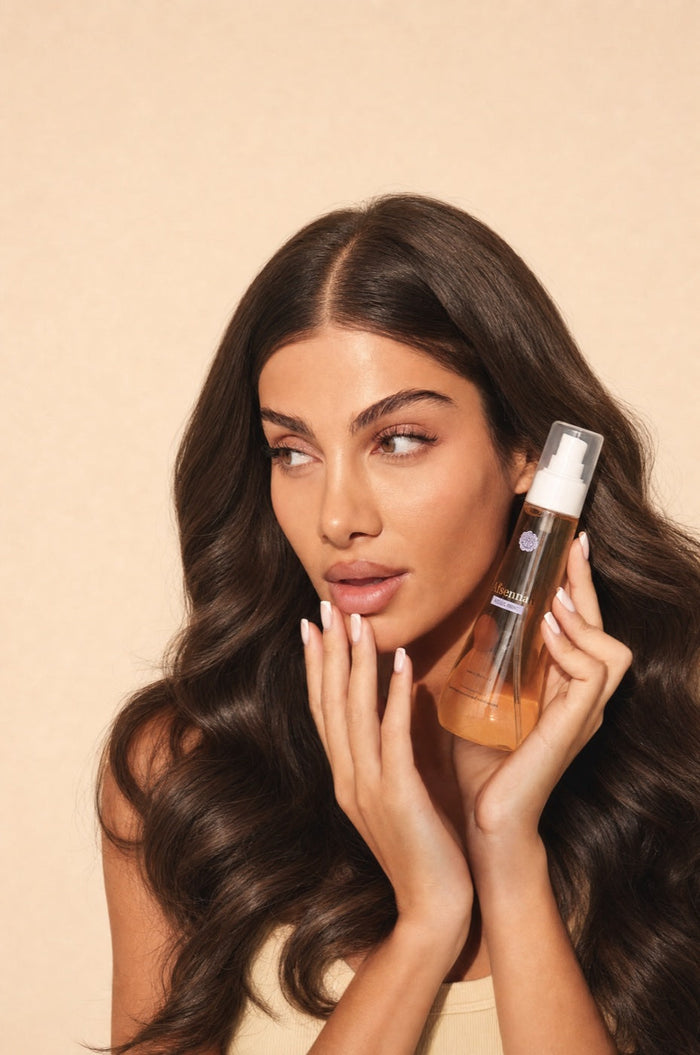
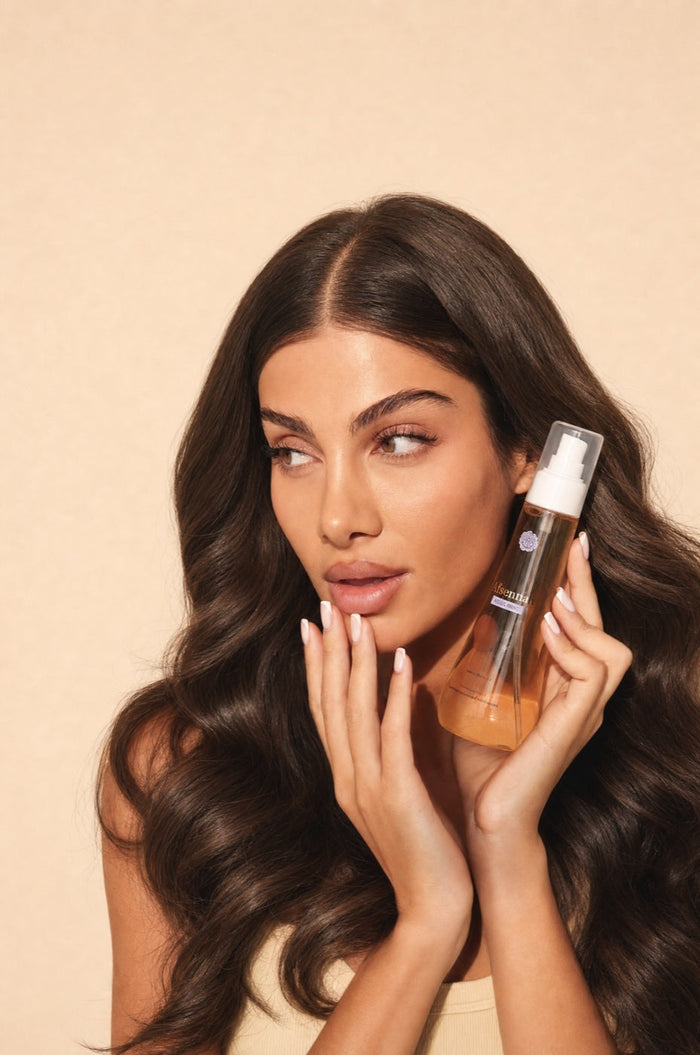
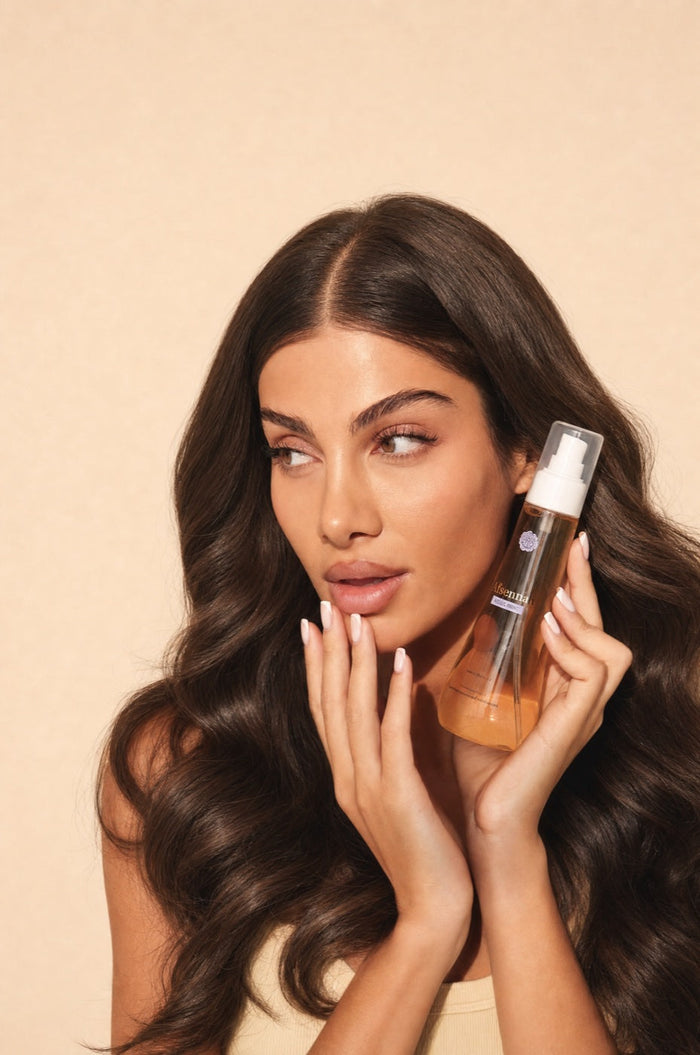
Why Is My Hair So Dry? Causes and What Actually Helps

In this story ·
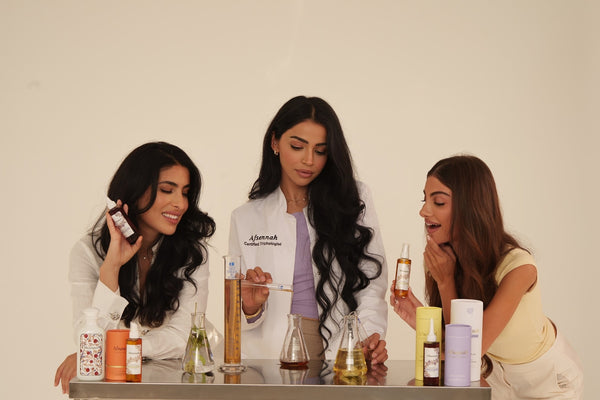
By Afsennah, Certified Advanced Trichologist · Published July 5, 2026
You've tried the masks. You've tried the "hydrating" shampoo with the dreamy name. Your hair still feels like straw by lunchtime and frizzes the second it sees a cloud.
If you keep asking "why is my hair so dry," here's the tea: it's rarely one product's fault. Dry hair is usually a combination of how your hair is built and what happens to it every day. Let's find your culprits.
Key Takeaways
- ✓Dry hair means the outer layer (the cuticle) lets moisture escape too easily.
- ✓Heat, bleach, harsh washing, hard water and sun are the most common causes.
- ✓Curly and coily hair is naturally drier, because scalp oil travels down it more slowly.
- ✓Hair Porosity tells you how fast your hair loses moisture.
- ✓Moisture goes in with the right wash and conditioner, and oil helps keep it there.
The short answer
Your hair is most likely dry because its outer layer (the cuticle) is worn down by heat, bleach, color, sun or harsh washing, so moisture escapes. Curly and coily hair, high porosity and hard water make it worse. A gentle wash, a conditioner for your lengths, pre-wash oil and less heat usually bring the softness back.
What Dry Hair Actually Is
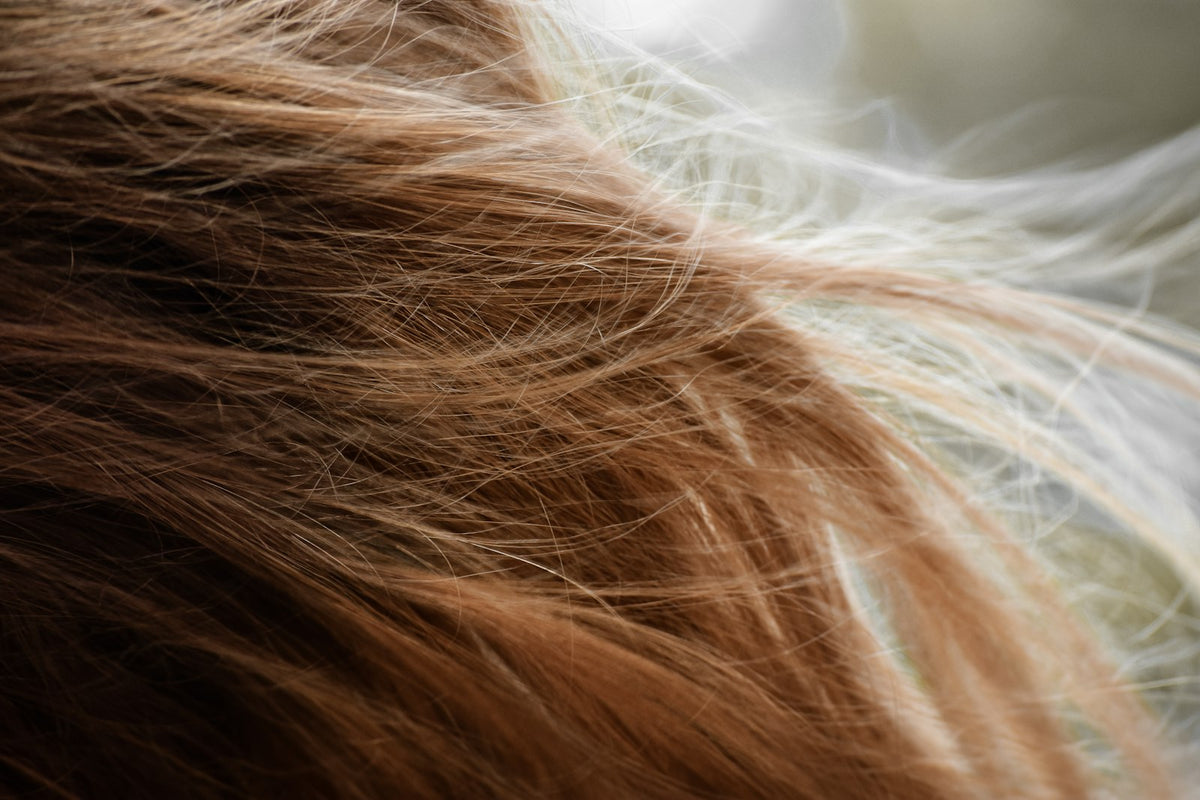
Every hair has an outer layer of tiny overlapping scales called the cuticle. When those scales lie flat, your hair holds on to its moisture, reflects light and feels smooth.
When they're lifted or worn down, water slips out, light scatters and the strands catch on each other. That's dry hair: rough, dull, frizzy, tangly and quick to break.
Your hair isn't living tissue, so it can't repair itself. That's why prevention and the right care matter so much.
Why Is My Hair So Dry? 7 Common Causes
1Heat styling
Blow dryers, flat irons and curling irons dry out the strand and lift the cuticle, especially on high heat and without protection.
2Bleach, color and chemical treatments
Bleach opens the cuticle on purpose to change your color. Relaxers and perms change the hair's structure. All of it leaves hair more porous and drier.
3Harsh or too much washing on your lengths
A strong shampoo scrubbed through your lengths every day strips the natural oils your ends need. The scalp needs washing. Your ends mostly need rinsing.
4Your Natural Hair Structure
Curly and coily hair is naturally drier. The scalp's oil (sebum) slides easily down a straight hair, but it struggles to travel down every bend and coil.
5Hard water
The minerals in hard water can build up on your hair and leave it rough and dull, especially if you have high porosity.
6Sun, chlorine, salt water and dry air
Summer sun, the pool, the beach and heated winter air all pull moisture from your hair. If your hair is suddenly dry, think about the season or a holiday.
7Friction
Rough towels, cotton pillowcases and tight elastics rub the cuticle every day. Small damage, every single day, adds up.
Read nextWhy Are My Ends So Dry? (When Your Roots Are Totally Fine) →
Trichologist tip
In my consultation, I ask about your Natural Hair Structure, Natural Hair Texture, Hair Porosity and Hair Elasticity before I choose a single ingredient. Dry, bleached, high-porosity hair needs very different care than dry, coily, low-porosity hair, even though both feel "dry." That's exactly why one hydrating product never works for everyone. The cause decides the treatment.
Check Your Hair Porosity
Hair Porosity shows how easily your hair takes in and loses water. The easiest check is drying time, after washing, without a blow dryer:
- Low porosity: more than 8 hours to dry. Products tend to sit on top.
- Medium porosity: 4 to 8 hours. Usually the easiest to care for.
- High porosity: 0 to 4 hours. Takes in water fast and loses it fast. This is the dry, frizzy one.
Also check your Hair Elasticity. Gently stretch a wet hair. If it stretches and returns, that's medium elasticity, which is good. If it snaps right away, your hair is dry and fragile and needs gentle care.
Read nextHow to Find Your Hair Type and Texture (Without Guessing) →
How to Fix Dry Hair: 6 Steps
1Oil Your Lengths Before You Wash
Pre-wash oil protects your hair from losing too much moisture during washing. Apply the Custom Hair Care Treatment to your mid-lengths and ends at least 4 hours before washing, or overnight. I blend it to your Hair Porosity and Hair Condition, because bleached, high-porosity hair needs something different than coily, low-porosity hair.

Afsennah pick
Custom Hair Care Treatment
Pre-wash treatment for dry, damaged or breaking lengths, blended to your consultation.
Shop now2Shampoo Your Scalp, Not Your Ends
Use a gentle Custom Shampoo made for your scalp type (condition), free from sulfates, parabens, silicones and alcohols. Put some in your hand with a little water and emulsify it, so it spreads better on your scalp while you massage it in. Let the foam rinse through your lengths. No scrubbing.

Afsennah pick
Custom Shampoo
Made for your scalp type. Free from sulfates, parabens, silicones and alcohols.
Shop now3Condition Every Single Wash
Apply a Custom Conditioner to your mid-lengths and ends, comb it through with your fingers and leave it on for a few minutes. Rinse with lukewarm water, not hot.

4Dry Gently
Squeeze your hair with a Microfiber Towel instead of rubbing. Detangle from the ends up while your hair has conditioner in it.
5Seal Your Ends Every Day
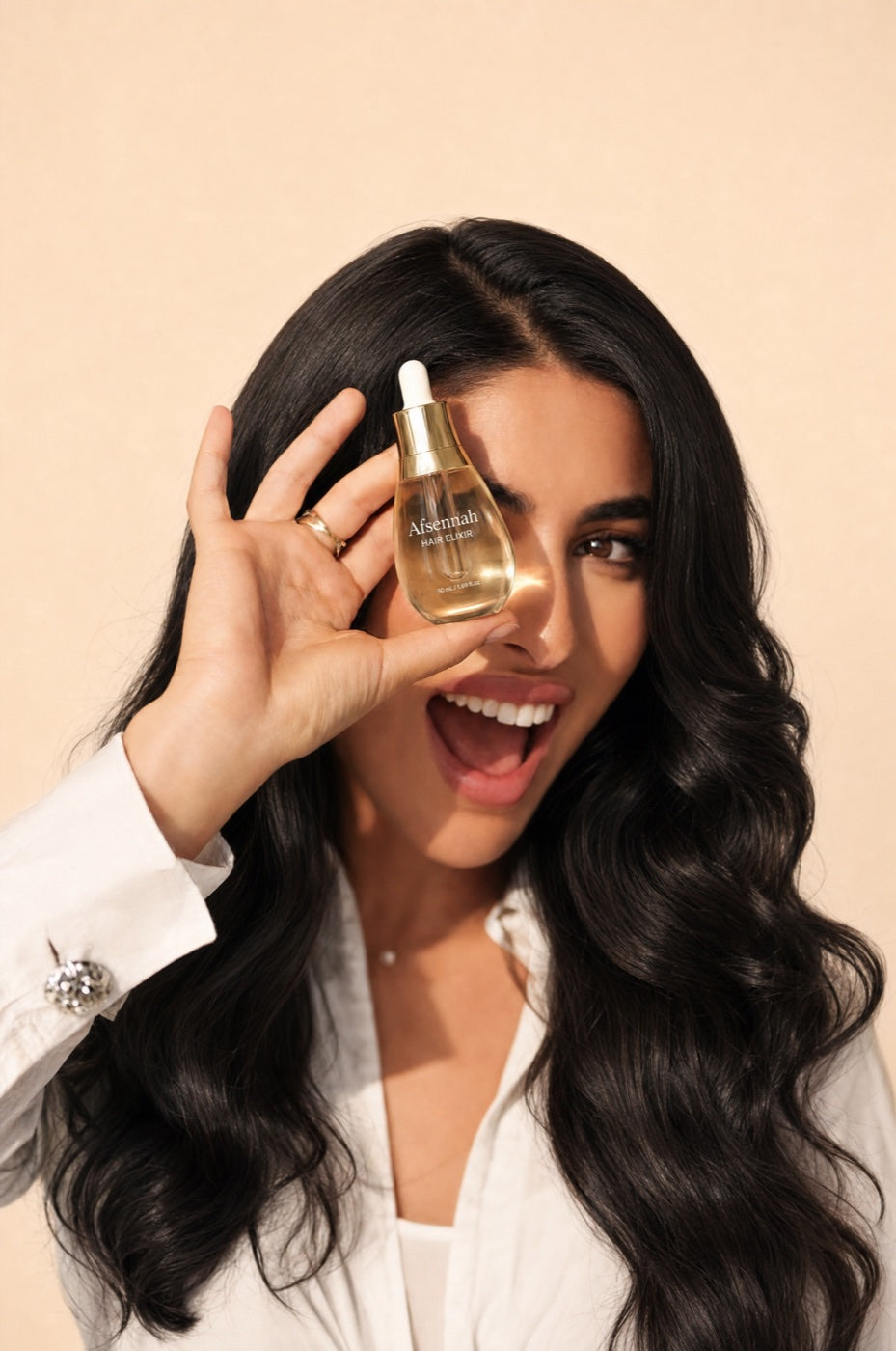
A few drops of the Custom Hair Elixir on your ends keeps them soft and protected between washes. It's lightweight, so it won't weigh fine hair down.
6Cut the Heat and the Friction
Air-dry when you can, or use low heat with a heat protectant. Sleep on a Silk Pillowcase and tie your hair with silk scrunchies. Trim what's split, because a split end can't be glued back together.
Read nextPre-Wash Hair Oil: The Step Most People Skip →
When to See a Doctor
Sometimes dry, brittle hair is a sign from the inside. See a doctor if your hair suddenly turns dry and brittle without a change in your routine, especially if you also feel tired or cold, gain or lose weight, or shed more hair. Thyroid problems, low iron and other nutrient deficiencies can all change your hair. A blood test can check this.
The Best Afsennah Products for Dry Hair
Custom Hair Care Treatment
The pre-wash hair oil for your lengths, blended to your Hair Porosity and Hair Condition.
Shop now

Frequently Asked Questions
Why is my hair so dry and frizzy?
Frizz is often dry hair looking for moisture. When the cuticle is lifted, your hair pulls water from the air and swells unevenly. Sealing your ends and less heat usually calm it down.
Why is my hair so dry all of a sudden?
Think about what changed: a new color or bleach, more heat, a holiday with sun and chlorine, a move to hard water or winter heating. If nothing changed, see a doctor to rule out a thyroid problem or deficiency.
Why is my hair so dry after washing?
Usually the shampoo is too harsh for your hair, you're scrubbing your lengths, or you're skipping conditioner. Hard water and very hot showers make it worse.
Why is my hair so dry and brittle?
Dry and brittle together often means low elasticity: the hair has lost moisture and strength, usually from bleach, heat or repeated damage. Protect it with pre-wash oil, gentle washing and less heat, and trim the damaged ends.
“The cause decides the treatment.”
Afsennah, Certified Advanced Trichologist
The Takeaway
Dry hair is a moisture leak. Find what's lifting the cuticle, then protect your lengths every wash.
Ready for softer hair? Order your Custom Hair Care Treatment, fill in the consultation you receive by email, and I'll blend it for your hair. It ships the next working day and comes with my 180-day guarantee.
Lots of love,
Afsennah
And don't forget to follow me for more hair tips
More From Afsennah
About the author
Afsennah, Certified Advanced Trichologist
Afsennah is a Certified Advanced Trichologist and the founder of Afsennah, a custom haircare brand. After dealing with androgenetic alopecia, alopecia areata and scalp eczema from a young age, she began studying the scalp and ingredients to understand her own hair. Read her story.
This article is for general education and does not replace medical advice.